二十四節気(にじゅうしせっき)を補足する季節の目印
民間での研究・開発が行われたため「仏事」「(地方の)祭事」などが入り混じっている。
Seasonal landmarks that complement the 24 solar terms
Because research and development was carried out in the private sector, there is a mixture of “Buddhist rituals” and “(local) festivals.’’
説により違いはあるが、ここでは古暦のエネルギーを活用する観点から以下のものを雑節として扱う。
Although there are differences depending on the theory, here we will treat the following as Zassetsu from the perspective of utilizing the energy of the ancient calendar.
| 日にち/Date* | 節句(雑節) /Zassetsu | 概略/Outline |
| 1月18日 | 土用(どよう/Doyou) | 冬の土用入り/Winter Doyou begins |
| 2月3日 | 節分(せつぶん/Setsubun) | 立春の前日 The day before Risyun(the first day of spring) |
| 3月17日 | 彼岸(ひがん/Higan) | 春の彼岸の入り/春分の3日前/寒さおさまる The beginning of the spring equinox/3 days before the vernal equinox /The cold subsides |
| 4月17日 | 土用(どよう/Doyou) | 春の土用入り/Spring Doyou begins |
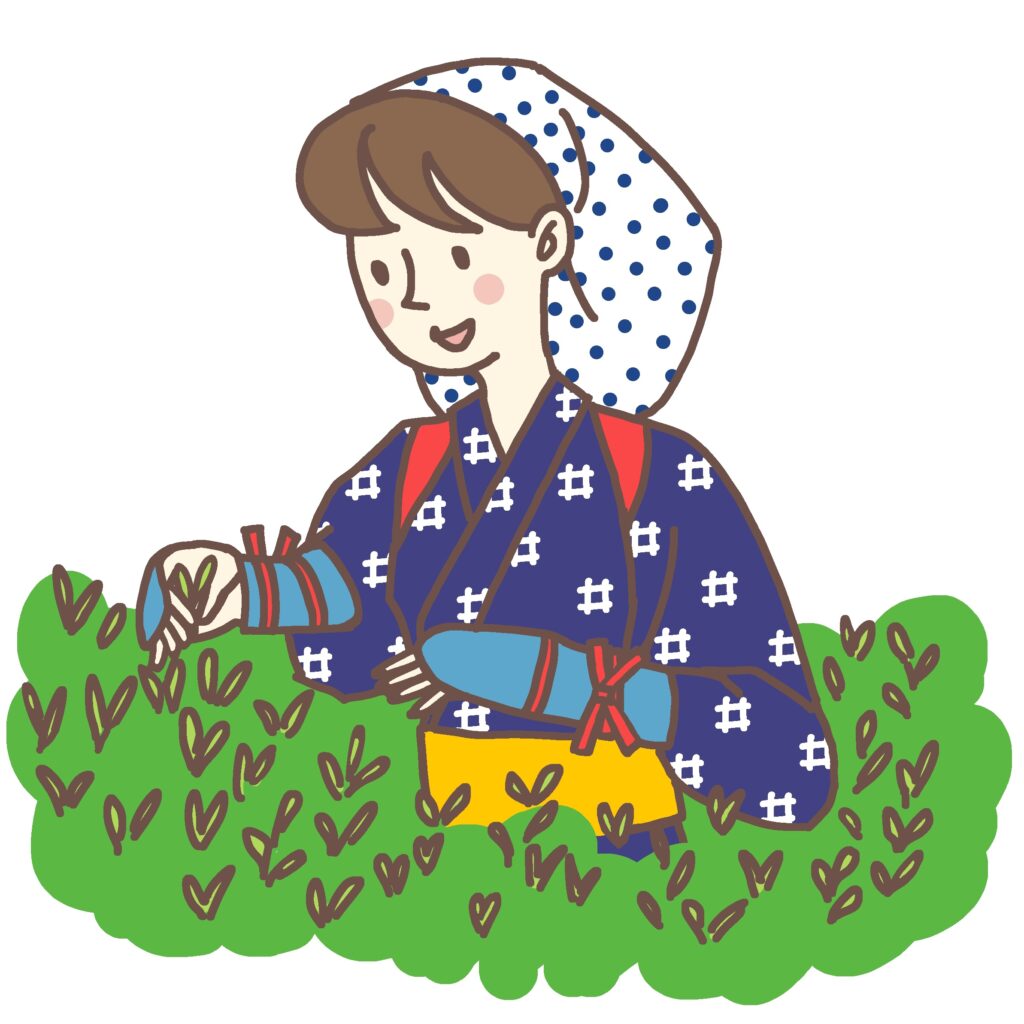
| 5月1日 | 八十八夜(はちじゅうはちや/Hachijyu-Hachi-ya) | 立春から数えて88日目/種まきの時 88th day counting from Risyun(the first day of spring)/It’s time to sow seeds |
| 6月10日 | 入梅(にゅうばい/Nyubai) | 梅雨に入る最初の日 The first day of the rainy season |
| 7月1日 | 半夏生(はんげしょう/Hangesyou) | 夏至から数えて11日目/梅雨が明けるころ 11th day from Geshi(the summer solstice)/It’s around the end of the rainy season |
| 7月19日 | 土用(どよう/Doyou) | 夏の土用入り/Summer Doyou begins |
| 8月31日 | 二百十日(にひゃくとおか/Nihyaku-to-ka) | 立春から数えて210日目/台風に注意 210th day since Risyun (the first day of spring) /Be careful of typhoons |
| 9月20日 | 彼岸(ひがん/Higan) | 秋の彼岸の入り/秋分の3日前/暑さおさまる The onset of the autumn equinox / 3 days before the autumnal equinox / The heat subsides |
| 10月20日 | 土用(どよう/Doyou) | 秋の土用入り/Autumn Doyou begins |
*The dates are approximate (varies depending on the year)
*雑節それぞれの詳細はこちら
*Click here for details on each category.
参考資料など
こよみナビゲーター養成講座(2023年開催)
「旧暦読本」岡田芳朗 著