
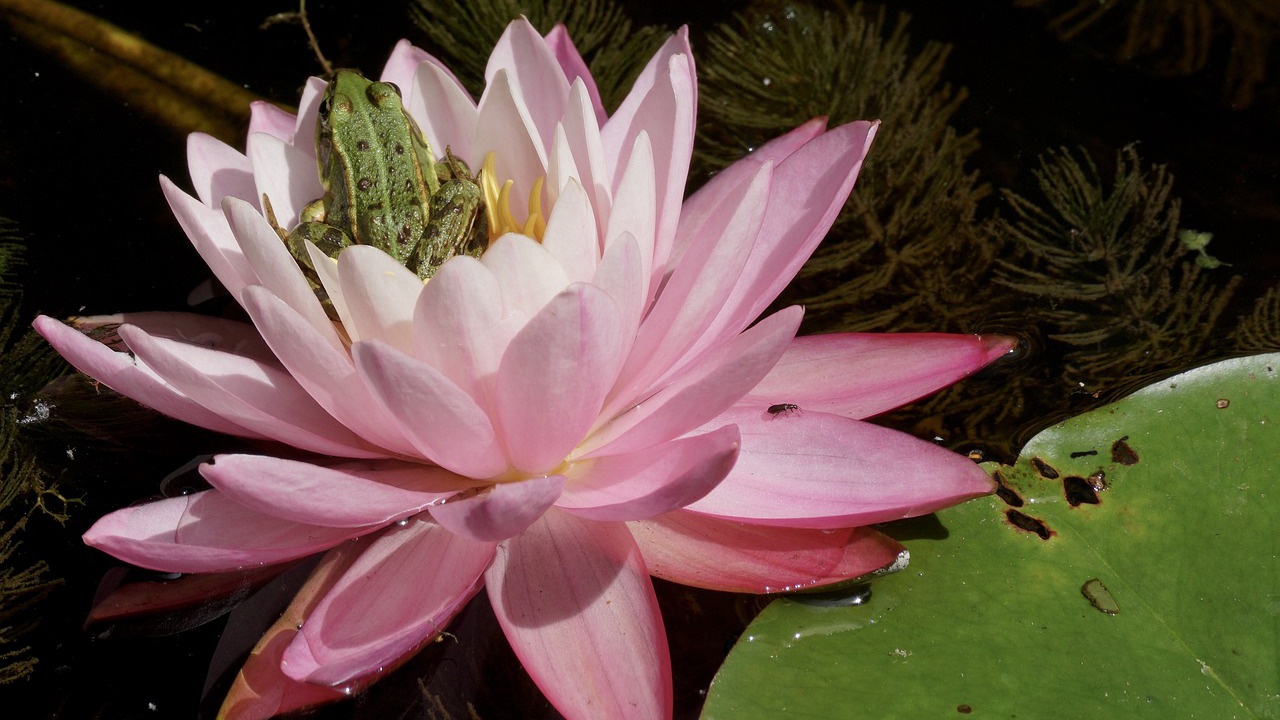
2024年5月5日~5月9日の暦/May5 – May9
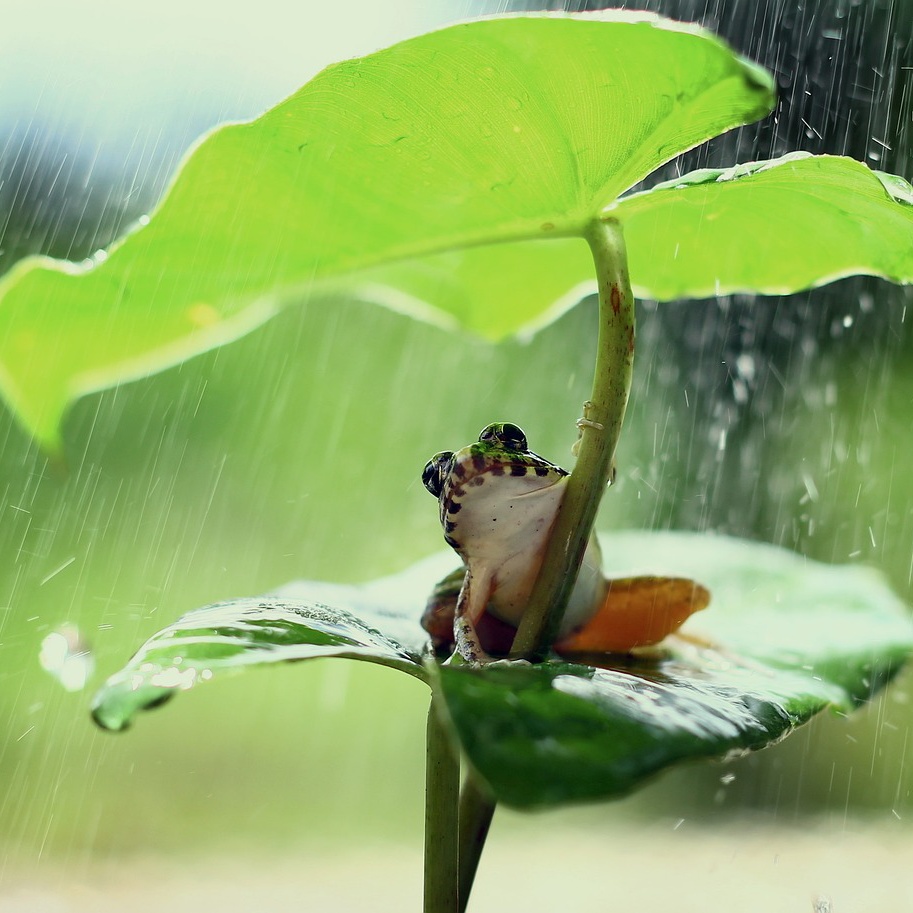
二十四節気(にじゅうしせっき)は立夏(りっか)
暦の上での、夏の始まり
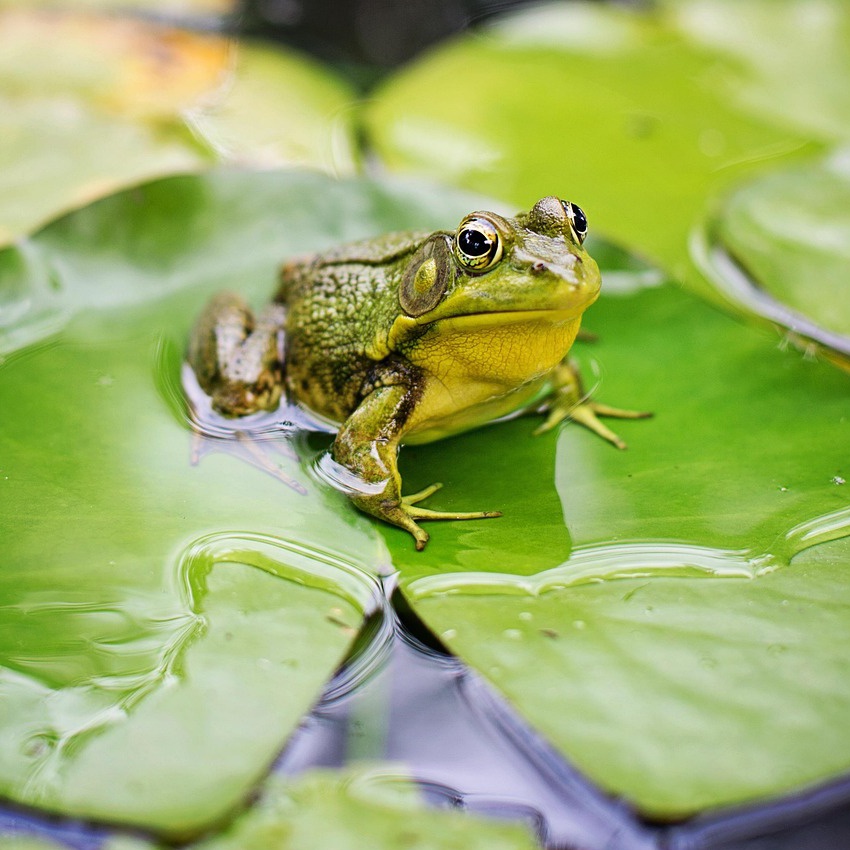
七十二候(しちじゅうにこう)は蛙始鳴(かわずはじめてなく)
蛙が鳴き始めるころ
24 Solar Terms is Rikka.
Beginning of summer on the calendar
72 pentads is Kawazuhajimetenaku.
When the frogs start croaking.
「無事に帰る」「福帰る」「お金が帰る」など、カエル(蛙)は縁起が良いと言われますね。
しかも日本だけでなく、中国や東南アジア、またヨーロッパでも『カエル=幸運のシンボル』と考えられているようです。(財運や豊かさの象徴)
Frogs are said to bring good luck, such as “returning safely,” “returning with good fortune,” and “returning money.’’ (Returning is written in Japanese, Kaeru = Frog) Moreover, not only in Japan, but also in China, Southeast Asia, and Europe, frogs are considered to be a symbol of good luck. (Symbol of wealth and wealth)

ところで、学生時代「実感する季節と古文の世界での季節の違い」で戸惑いませんでしたか?
古文(旧暦や俳句なども含める)では、1~3月が春、4月~6月が夏、7月~9月が秋、10月~12月が冬なんですよね。
By the way, when you were a student, weren’t you confused by the difference between the seasons you actually felt and the seasons in the ancient Japanese world? In ancient Japanese literature (including the lunar calendar and haiku), spring is from January to March, summer is from April to June, autumn is from July to September, and winter is from October to December.
旧暦の世界に触れる機会が増えて、ようやく季語や歳時記の表現に「なるほど」と思えるようになりました。
As I have more opportunities to come into contact with the world of the lunar calendar, I have finally begun to think that the expressions in seasonal words and saijiki make sense.

コメント